

Gross domestic product (GDP) is the indicator that has traditionally been used to measure economic activity. However, it is now understood that a country's development also involves many other variables, including those related to the environment, education, and health. Bhutan went a step further by developing the Gross National Happiness index, which measures a society's happiness on the basis of criteria that are not purely economic. This approach can be extrapolated to organizations, which increasingly have the double objective of being financially sustainable while also having a positive impact on society.
Offered by
Related
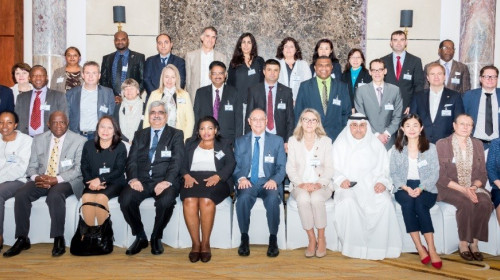
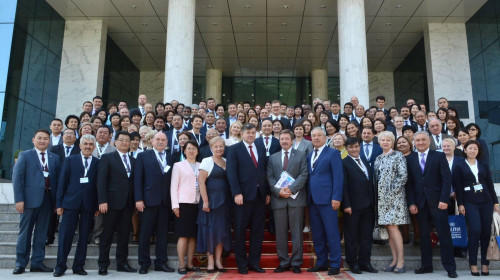
Empowering SDG progress: A Glimpse into the Kyrgyz Republic's SDG Monitoring
Microlearning
 Blog
Blog
Offered by:
Nazira Kerimalieva (First Deputy Chairman, National Statistical Committee (NSC) of the Kyrgyz Republic)
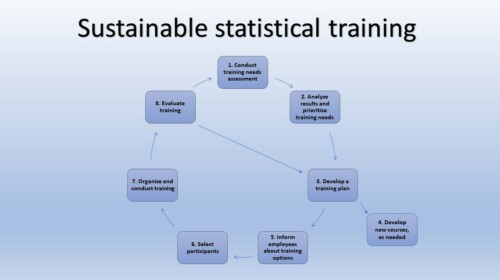
Meeting training needs to produce official statistics
Microlearning
Blog
Offered by:
Charlotte Juul Hansen (Consultant, United Nations Statistics Division/DESA & Global Network of Institutions for Statistical Training (GIST))

Building Next-Generation Data Systems for Humanitarian and Government Projects
Microlearning
Video
Offered by:
UNSSC