What does a successful early childhood care program look like? How has a child’s brain developed at the age of 3? How does nutrition impact the future well-being of a child into adulthood?
Learn the answers to these questions and more in The Best Start in Life: Early Childhood Development for Sustainable Development, an 8-module massive open online course. With leading experts in the field – hailing from Harvard University, New York University and UNICEF, among other institutions – we’ll explore how neuroscience, sociology, anthropology and other studies have influenced our understanding of early childhood development.
Transcripts available in: اللغة العربية, English, Español, हिन्दी, Português
Download SyllabusTarget Audience
Graduate students and advanced undergraduate students in international development, teaching, nursing and medicine who are interested in the key concepts and practices in early childhood development
Teachers, healthcare professionals and other practitioners interested in the societal and biological factors impacting the children they support
Sustainable development practitioners who want to understand the lifecycle of needs and support necessary to help children globally, including those who work for international aid organizations and nonprofits in the areas of poverty, nutrition and education
Learning Objectives
To approach childhood development programs with an interdisciplinary perspective, understanding the neurological makeup of the brain and childcare policy and education.
Offered by
Related

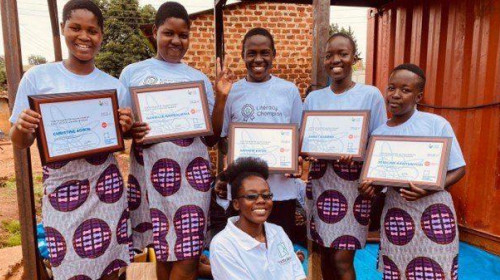
Teach the Future’s NGFP-YV Awards: Youth Foresight in Action
Microlearning
 Blog
Blog
Offered by:
Ms. Lisa Giuliani (Executive Director of Youth Foresight Projects, Teach the Future), Ms. Lourdes Rodriguez (Executive Director Hubs Network, Teach the Future), Ms. Amna Habiba (Director of Technology and Young Voices Network, Teach the Future)