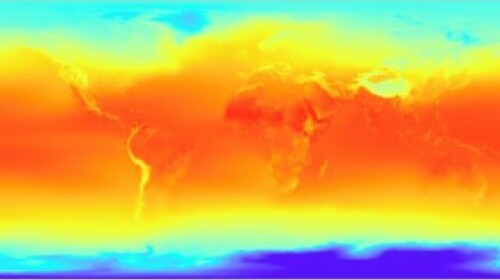
The range of future climate change depends on the concentrations of greenhouse gases that will be emitted into the atmosphere over years and decades. Climate science organizations worldwide generate future climate models based on scenarios called representative concentration pathways (RCPs). There are four RCPs, each representing a different level of greenhouse gases being added to the earth's atmosphere.
First, you'll import, symbolize, and explore baseline (historical) climate data in ArcGIS Pro. Baseline climate data is important because future climate projections are presented as differences from baseline climate conditions. You'll use this baseline to evaluate several climate anomaly scenarios.
Offered by

Related
Transformative Approaches to Climate Adaptation in Europe
Course
Self-paced e-learning
Offered by:
SDG Academy
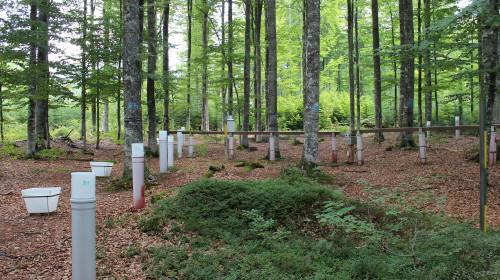
Monitoring Air Pollution Effects under the Convention
Course
Self-paced e-learning
Offered by:
UNECE, UN CC:Learn
Monitoring, Evaluation, and Learning for National Adaptation Plan Processes
Course
Self-paced e-learning
Offered by:
SDG Academy, IISD