

The notion of design thinking focuses on the human experience. In essence, design thinking is a human-centred systematic approach to problem-solving. When applied in the context of sustainable development, this approach can result in local, collaborative, and participatory initiatives that are founded on the local context rather than being retrofitted to it. Grounded on key thinking paradigms of being holistic, uninhibited, collaborative, iterative, and visual, the design thinking approach fosters integrative and cross-disciplinary thinking.
Offered by

Related
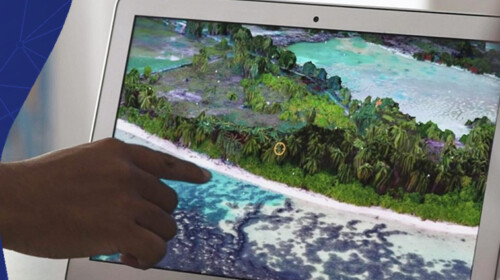
Inclusive Digital Transformation for the Achievement of the SDGs and the SAMOA P
Course
Self-paced e-learning
Offered by:
ITU, UNDP
Tomorrow's Classroom: Digital Transformation through Systems Thinking
Microlearning
 Podcast
Offered by:
Breanne Pitt, Research Fellow (World Economic Forum)

Tackling inequality through inclusive science, technology, and innovation
Microlearning
Blog
Offered by:
Paulyn Duman
UNSSC

Science, Technology and Innovation (STI) for SDG Roadmaps
Resource
Book
Offered by:
United Nations Inter-Agency Task Team on Science, Technology and Innovation for the SDGs (IATT) Sub-working Group on STI Roadmap
UNESCO, WBG, UNCTAD, UN DESA
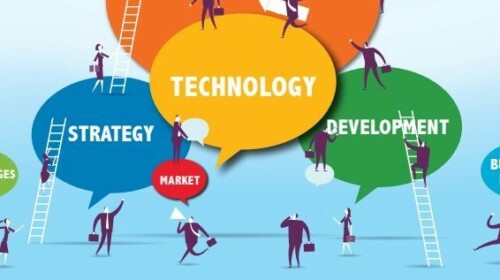
Fostering Innovation in Small and Medium Enterprises in the Arab Region
Resource
Document
Offered by:
UNESCWA

Transforming our World: Advancing Society through Science with a Soul
Microlearning
Blog
Offered by:
Patrick van Weerelt
UNSSC