

Ecuador has created an innovative policy arrangement aimed at promoting biodiversity at the centre stage of efforts to achieve long-term economic performance that allow moving away from the middle-income trap and oil-dependence. These policies range from environmental, science and technology, and industrial policies to incentive-based institutions (e.g., fiscal and monetary policy). This view follows previous research arguing that models of development must move away from narrow concern with macroeconomic imbalances and poverty-alleviation safety nets to confront head-on the structural inequalities while addressing sustainability. Read Daniel Vicente Ortega Pacheco’s piece which brings features Ecuador’s strategies for bioeconomy and policy coherence for sustainable development.
Offered by
Related
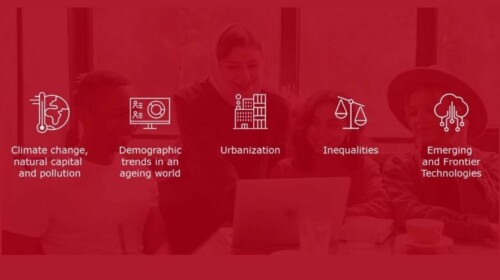
Development Cooperation in Times of Global Megatrends - Video
Microlearning
Video
Offered by:
GDI, UNSSC
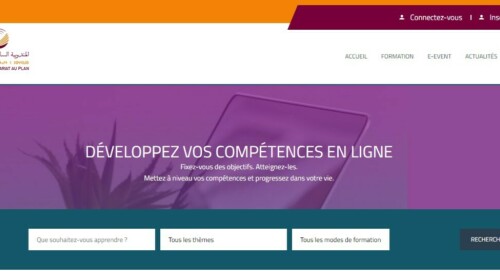
HCP's experience in developing and implementing an e-learning strategy
Microlearning
 Blog
Blog
Offered by:
Samir Issara (Director of Human Resources and General Affairs, High Commission for Planning of Morocco (HCP))


Big Data: What is it and how can it contribute to Sustainable Development
Microlearning
Video
Offered by:
UNSSC